Site Safety Records
Site safety records are filed on-site, readily retrievable, and protected from deterioration. These records and maintained by the Corporate HSE Manager.
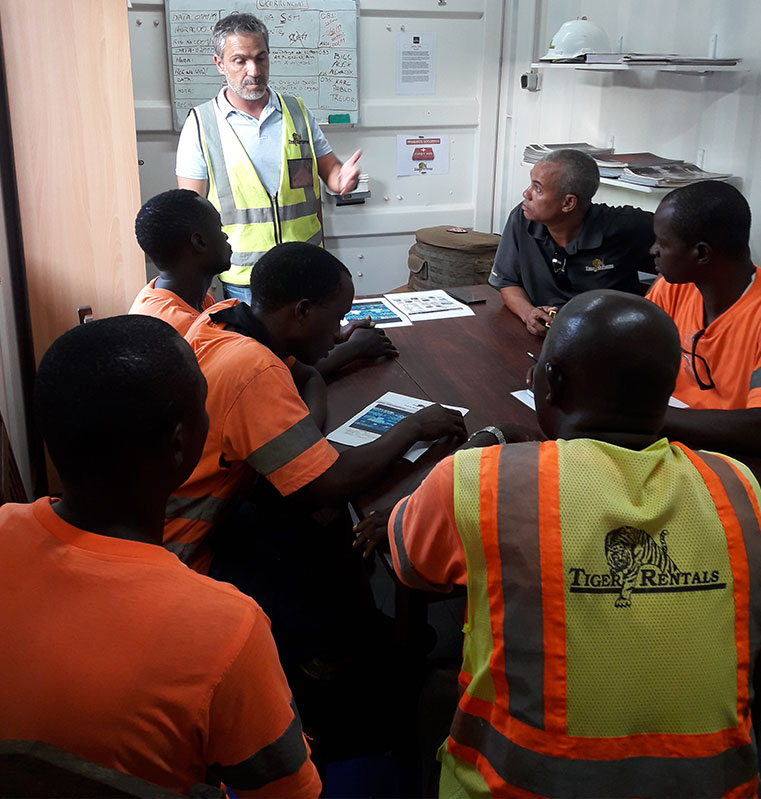
At Tiger, we put a large focus on safety practices in every worldwide yard within our organization. Our in-house QHSE Department personnel inspect each facility on a weekly and/or monthly basis to ensure all safety practices are being implemented.
Some examples of how Tiger takes extra strides to keep our equipment and personnel safe include:
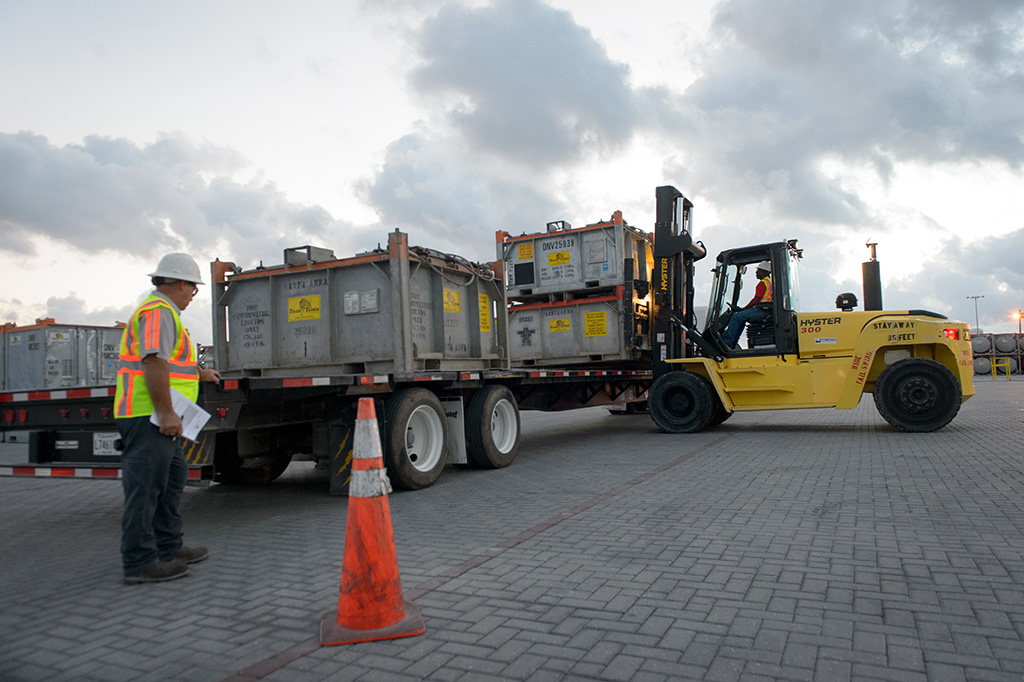
- Personal Protective Equipment (PPE) is required for all personnel working in/around our equipment whether in the yard, shipyard/port, or tradeshows. This includes safety vest, hard hat, steel toe boots, gloves, eye protections, clothing or uniform, and ear plugs.
- PPE and special care is required for tank cleaning and H2S projects.
- Suitable eye, face and welding screen protection is required to ensure that the welding flash is only visible to the person carrying out the welding.
- Suitable eye protection is required where mandated signs are displayed.
- When entering and exiting our yards, suitable safe access and egress is provided and maintained for safe passageways coming and going. These are established, marked, and maintained in a safe state.
- Truck drivers are briefed and trained to abide by our safety standards.
- Smith Driving System is required for all company drivers.
- Forklift drivers are trained to always adhere to safety standards.
- Our operations team members are trained experts in securing equipment on trucks and vessels for delivery.
- We have dry powder or foam fire extinguishers at every yard, secured to a wall, and kept in efficient working condition.
- We train our personnel on fire safety.
- We take care to address spillage of any fuels, or oils, and ensure spills are cleaned up immediately.
- Hand tools are kept in an organized and safe manner.
- All materials are stored in a secure location and if required restrained to prevent inadvertent displacement.
- Combustible materials are segregated to prevent fire from starting and spreading.